Your Health

Archived Health News by Subject
Archived Health News by Date
10 Foods Men Should Eat More Often
Want to know the prescription for good health? Taking care of yourself. And a well-rounded diet is a great place to start. But if your idea of a balanced diet is alternating between burgers, fried chicken and pizza, it might be time to rethink your eating plan. While it’s okay to have these things occasionally, the majority of the foods you eat should be healthy and whole. Here are ten foods that pack a serious nutritional punch, particularly for men.
Tomato Sauce
Think raw produce is better for you than cooked? Not so with tomatoes. In fact, you’d have to eat 165 raw tomatoes to equal the nutritional benefits of just ten tablespoons of tomato sauce. Those benefits are largely due to a powerful antioxidant called lycopene. Derived from the red pigment in tomatoes, lycopene is more easily absorbed by the body once it’s been heated. Add some olive oil, which is rich in healthy fats and polyphenols, and you’ll boost your absorption even more.
We also recommend taking Schiff® Prostate Health. This combination formula contains a variety of nutrients designed to maintain healthy prostate function, including lycopene, standardized saw palmetto extract, zinc and selenium. All minerals are in organic chelate forms, similar to those found in foods.
Salmon
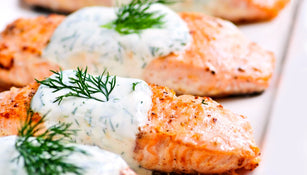
There are lots of reasons to eat fatty types of fish like salmon. It’s a lean source of protein that’s rich in Vitamin D — a nutrient that most of us don’t get nearly enough of. But the best reason to eat salmon is because it’s loaded with heart-healthy omega-3 fatty acids, including docosahexaenoic acid (DHA) and eicosapentaenoic acid (EPA). Eating foods that are high in these polyunsaturated fats lowers blood triglyceride levels, helps keep the arteries clear and slows memory loss. And those are just some of the reasons why the American Heart Association recommends eating fatty fish twice a week. When buying salmon, just remember to choose wild salmon, which is better for you than farm-raised.
In addition to eating salmon, we recommend supplementing with Schiff® Vitamin D 2,000 IU. It contains Vitamin D3, which is more powerful and more efficiently absorbed than Vitamin D2. Getting 2,000 IU of Vitamin D daily helps build bone mass while reducing bone loss due to aging. And it’s also the optimal amount for immune function, heart health and anti-aging benefits. Another great choice for heart health is Schiff® MegaRed® Omega-3 Krill Oil. Just one small, easy-to-swallow softgel promotes cardiovascular health.* And with MegaRed®, there’s no fishy smell or aftertaste.
Nuts
For the perfect snack anytime, have a handful of nuts. With a satisfying crunch and a heap of vitamins, minerals and omega-3s, nuts are both delicious and nutritious. Good choices include almonds and walnuts. Almonds are rich in Vitamin E and magnesium, two nutrients that are especially important for heart health. And walnuts are high in antioxidants called polyphenols, which also have cardio-protective properties. To reap the benefits, nutritionists recommend eating a handful of nuts a day.
Bananas
For those days when you know you’re going to be on the go with no time to stop and eat, take along a banana. Bananas provide a quick burst of energy and are a good source of potassium and Vitamin B6. Potassium helps maintain healthy blood pressure, while Vitamin B6 supports the immune system and helps the body metabolize protein.
Whole Grains
While most men get plenty of carbohydrates in their diet, they tend to choose the wrong kind. Refined carbs, which are derived from white flour, offer very little non-caloric nutrition. They also cause your insulin to spike up quickly and drop again, which is unhealthy. Whole grains, on the other hand, are dense with fiber, vitamins, minerals and other nutrients that are good for your heart, your prostate and your overall health. They also help you feel full longer, which can curb the urge to overeat. But keep in mind that just because something looks like it’s whole-grain doesn’t mean it is. Always look for the words “100% whole grain” or “100% whole wheat” on the label. Good choices include whole-grain bread, steel cut oatmeal, whole-wheat pasta, brown rice and quinoa.
Leafy Greens
Our favorite cartoon sailor was smart to eat so much spinach. Dark, leafy greens like spinach are packed with essential vitamins and minerals, including Vitamin K, Vitamin A, calcium, folate and iron. This nutritional powerhouse boosts energy, supports brain health and helps guard against a variety of diseases. But spinach isn’t the only leafy green that’s loaded with health benefits. Other good choices include parsley, chard, endive, kale and collard greens.
Black Beans
With a healthy dose of cholesterol-reducing fiber, iron and complex carbohydrates, black beans are filling and provide a steady supply of energy. They help prevent your blood sugar from rising too quickly after a meal, which is particularly beneficial if you suffer from diabetes. But the benefits don’t end there. Black beans are also high in magnesium and folate, two more nutrients that support heart health. And they’re an excellent low-fat source of protein, which makes them a great alternative to meat. As if all that weren’t enough, black beans also contain anthocyanins, antioxidant flavonoids that help boost brain function.
Berries
For another food that’s rich in anthocyanins, try some berries. And when we say rich, we really mean it: berries boast over 4,000 different antioxidant compounds. So what does that mean for your health? A lot, as it turns out. The benefits of berries range from disease prevention to improved memory and a reduction in age-related cognitive decline. Of all the berries out there, blueberries have the highest antioxidant capacity, but all berries rank high on the healthy foods list. So include strawberries, raspberries and blackberries in your diet too.
Extra Virgin Olive Oil
With heart-healthy monounsaturated fats and anti-inflammatory properties, extra virgin olive oil is a great addition to any diet. Use it in place of butter and you’ll also reduce your intake of saturated fat. But that may be just the beginning. Olive oil is a staple of the Mediterranean diet, and some researchers think that may be one of the reasons why the people of that region live longer and have lower rates of heart disease and other major diseases. And while there’s no guarantee that including olive oil in your diet will help you live longer, it certainly can’t hurt.
We also recommending taking a DHEA (dehydroepiandrosterone) supplement, like Schiff® DHEA 25mg. DHEA is produced by the adrenal gland. After the age of 40, the body’s internal production of DHEA tends to decline. Maintaining normal DHEA levels supports healthy moods, as well as libido and bone health. And that’s not all. One study in Japan, known as the Tanushimaru Study, found that DHEA might also be linked to aging. This study revealed a strong correlation between mortality risk in men and their levels of DHEAS (the sulfated form of DHEA). Men who began the 27-year study with the highest levels of DHEAS had a significantly lower death rate.
Yogurt
Milk isn’t the only way to get your fill of dairy. With yogurt, you get all the benefits of milk and then some. That’s because yogurt contains active cultures, also known as probiotics. Including these healthy bacteria in your diet will give your immune system a serious boost and help your body fight off germs. Multiple studies suggest that consuming yogurt and other dairy foods may also increase fat loss. But not all yogurts contain healthy bacteria, so always make sure that the ingredient list includes the phrase “live and active cultures.” And while you’re looking at labels, stick with low-fat yogurt and avoid brands that contain sugar or corn syrup, which tacks on unnecessary calories. You can also increase your intake of healthy bacteria with Schiff® Acidophilus. Schiff® guarantees one billion live cells per tablet — the amount studies recommend for optimal functioning of the digestive tract.
We hope these tips have given you some helpful ideas for improving your eating habits. Remember, the more of these foods you include in your diet, the healthier it will be. For more tips on eating right, read more at www.schiffvitamins.com.
*May reduce the risk of coronary heart disease. Supportive, but not conclusive research shows that consumption of EPA and DHA omega-3 fatty acids may reduce the risk of coronary heart disease.
Tomato Sauce
Think raw produce is better for you than cooked? Not so with tomatoes. In fact, you’d have to eat 165 raw tomatoes to equal the nutritional benefits of just ten tablespoons of tomato sauce. Those benefits are largely due to a powerful antioxidant called lycopene. Derived from the red pigment in tomatoes, lycopene is more easily absorbed by the body once it’s been heated. Add some olive oil, which is rich in healthy fats and polyphenols, and you’ll boost your absorption even more.
We also recommend taking Schiff® Prostate Health. This combination formula contains a variety of nutrients designed to maintain healthy prostate function, including lycopene, standardized saw palmetto extract, zinc and selenium. All minerals are in organic chelate forms, similar to those found in foods.
Salmon
There are lots of reasons to eat fatty types of fish like salmon. It’s a lean source of protein that’s rich in Vitamin D — a nutrient that most of us don’t get nearly enough of. But the best reason to eat salmon is because it’s loaded with heart-healthy omega-3 fatty acids, including docosahexaenoic acid (DHA) and eicosapentaenoic acid (EPA). Eating foods that are high in these polyunsaturated fats lowers blood triglyceride levels, helps keep the arteries clear and slows memory loss. And those are just some of the reasons why the American Heart Association recommends eating fatty fish twice a week. When buying salmon, just remember to choose wild salmon, which is better for you than farm-raised.
In addition to eating salmon, we recommend supplementing with Schiff® Vitamin D 2,000 IU. It contains Vitamin D3, which is more powerful and more efficiently absorbed than Vitamin D2. Getting 2,000 IU of Vitamin D daily helps build bone mass while reducing bone loss due to aging. And it’s also the optimal amount for immune function, heart health and anti-aging benefits. Another great choice for heart health is Schiff® MegaRed® Omega-3 Krill Oil. Just one small, easy-to-swallow softgel promotes cardiovascular health.* And with MegaRed®, there’s no fishy smell or aftertaste.
Nuts
For the perfect snack anytime, have a handful of nuts. With a satisfying crunch and a heap of vitamins, minerals and omega-3s, nuts are both delicious and nutritious. Good choices include almonds and walnuts. Almonds are rich in Vitamin E and magnesium, two nutrients that are especially important for heart health. And walnuts are high in antioxidants called polyphenols, which also have cardio-protective properties. To reap the benefits, nutritionists recommend eating a handful of nuts a day.
Bananas
For those days when you know you’re going to be on the go with no time to stop and eat, take along a banana. Bananas provide a quick burst of energy and are a good source of potassium and Vitamin B6. Potassium helps maintain healthy blood pressure, while Vitamin B6 supports the immune system and helps the body metabolize protein.
Whole Grains
While most men get plenty of carbohydrates in their diet, they tend to choose the wrong kind. Refined carbs, which are derived from white flour, offer very little non-caloric nutrition. They also cause your insulin to spike up quickly and drop again, which is unhealthy. Whole grains, on the other hand, are dense with fiber, vitamins, minerals and other nutrients that are good for your heart, your prostate and your overall health. They also help you feel full longer, which can curb the urge to overeat. But keep in mind that just because something looks like it’s whole-grain doesn’t mean it is. Always look for the words “100% whole grain” or “100% whole wheat” on the label. Good choices include whole-grain bread, steel cut oatmeal, whole-wheat pasta, brown rice and quinoa.
Leafy Greens
Our favorite cartoon sailor was smart to eat so much spinach. Dark, leafy greens like spinach are packed with essential vitamins and minerals, including Vitamin K, Vitamin A, calcium, folate and iron. This nutritional powerhouse boosts energy, supports brain health and helps guard against a variety of diseases. But spinach isn’t the only leafy green that’s loaded with health benefits. Other good choices include parsley, chard, endive, kale and collard greens.
Black Beans
With a healthy dose of cholesterol-reducing fiber, iron and complex carbohydrates, black beans are filling and provide a steady supply of energy. They help prevent your blood sugar from rising too quickly after a meal, which is particularly beneficial if you suffer from diabetes. But the benefits don’t end there. Black beans are also high in magnesium and folate, two more nutrients that support heart health. And they’re an excellent low-fat source of protein, which makes them a great alternative to meat. As if all that weren’t enough, black beans also contain anthocyanins, antioxidant flavonoids that help boost brain function.
Berries
For another food that’s rich in anthocyanins, try some berries. And when we say rich, we really mean it: berries boast over 4,000 different antioxidant compounds. So what does that mean for your health? A lot, as it turns out. The benefits of berries range from disease prevention to improved memory and a reduction in age-related cognitive decline. Of all the berries out there, blueberries have the highest antioxidant capacity, but all berries rank high on the healthy foods list. So include strawberries, raspberries and blackberries in your diet too.
Extra Virgin Olive Oil
With heart-healthy monounsaturated fats and anti-inflammatory properties, extra virgin olive oil is a great addition to any diet. Use it in place of butter and you’ll also reduce your intake of saturated fat. But that may be just the beginning. Olive oil is a staple of the Mediterranean diet, and some researchers think that may be one of the reasons why the people of that region live longer and have lower rates of heart disease and other major diseases. And while there’s no guarantee that including olive oil in your diet will help you live longer, it certainly can’t hurt.
We also recommending taking a DHEA (dehydroepiandrosterone) supplement, like Schiff® DHEA 25mg. DHEA is produced by the adrenal gland. After the age of 40, the body’s internal production of DHEA tends to decline. Maintaining normal DHEA levels supports healthy moods, as well as libido and bone health. And that’s not all. One study in Japan, known as the Tanushimaru Study, found that DHEA might also be linked to aging. This study revealed a strong correlation between mortality risk in men and their levels of DHEAS (the sulfated form of DHEA). Men who began the 27-year study with the highest levels of DHEAS had a significantly lower death rate.
Yogurt
Milk isn’t the only way to get your fill of dairy. With yogurt, you get all the benefits of milk and then some. That’s because yogurt contains active cultures, also known as probiotics. Including these healthy bacteria in your diet will give your immune system a serious boost and help your body fight off germs. Multiple studies suggest that consuming yogurt and other dairy foods may also increase fat loss. But not all yogurts contain healthy bacteria, so always make sure that the ingredient list includes the phrase “live and active cultures.” And while you’re looking at labels, stick with low-fat yogurt and avoid brands that contain sugar or corn syrup, which tacks on unnecessary calories. You can also increase your intake of healthy bacteria with Schiff® Acidophilus. Schiff® guarantees one billion live cells per tablet — the amount studies recommend for optimal functioning of the digestive tract.
We hope these tips have given you some helpful ideas for improving your eating habits. Remember, the more of these foods you include in your diet, the healthier it will be. For more tips on eating right, read more at www.schiffvitamins.com.
*May reduce the risk of coronary heart disease. Supportive, but not conclusive research shows that consumption of EPA and DHA omega-3 fatty acids may reduce the risk of coronary heart disease.
Want to learn more about the products in this article?
Discover special offers and other Schiff® products that may be right for you.
Visit Schiff® Rewards.
THESE STATEMENTS HAVE NOT BEEN EVALUATED BY THE FOOD AND DRUG ADMINISTRATION. THESE PRODUCTS ARE NOT INTENDED TO DIAGNOSE, TREAT, CURE OR PREVENT ANY DISEASE.
© 2010 Schiff Nutrition Group, Inc.