Your Health

Archived Health News by Subject
Archived Health News by Date
10 Foods Women Should Eat More Often
Nutrition isn't one-size-fits-all. Just as women have unique health concerns, we also have our own set of dietary needs. But many of us are deficient in the very nutrients that we need the most. Want to know how your diet stacks up? Here are ten essential foods that support women's health and why they're so good for you. So pull up a chair, pour yourself a tall glass of non-fat milk and read on.
Berries
Berries boast a higher antioxidant capacity than most other fruits. But just what are antioxidants and how do they support good health? With their growing list of benefits, it might be easier to ask what they don't do. From brain and heart health to healthy aging, antioxidants like Vitamin C, Vitamin E and beta-carotene benefit our bodies in countless ways. One of the main ways they do this is by helping to neutralize free radicals — unstable molecules that damage healthy cells and contribute to aging and disease. To boost your intake, eat antioxidant-rich berries. Cranberries are a particularly good choice for women because they help support urinary tract health. We also recommend supplementing your diet with Schiff® Natural Cranberry Extract. Each serving contains one gram of cranberry extract, which is 20 times more concentrated than whole cranberries, without any added sugar.
Oatmeal and Other Whole Grains
There's been a lot of buzz about good old-fashioned oatmeal lately, and it's no wonder. This fiber-rich food is low in calories, yet it staves off hunger for hours. But the fact that it fills us up is just one of the reasons why we like it. Oatmeal and other high-fiber whole grains are also extremely heart healthy. In addition to slowing cholesterol absorption and helping to maintain healthy blood pressure levels, they help lower blood sugar, a key risk factor for diabetes. And if you suffer from digestive problems, as many women do, increasing your fiber intake will help keep them in check.
Beans
Speaking of fiber, we'd be remiss if we didn't include beans on this list. With next to no fat and a healthy dose of fiber and nutrients, beans are loaded with benefits. And they're especially good for women. Take black beans, for example. A serving fulfills more than half of your daily requirement for folic acid, while also providing a significant amount of iron and magnesium, two more nutrients that support women's health.
Fatty Fish
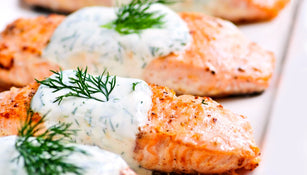
If you don't eat fatty types of fish like salmon or sardines regularly, you're missing out on some serious health benefits. While a variety of foods contain heart-healthy omega-3s, fatty fish contain both EPA (eicosapentaenoic acid) and DHA (docosahexaenoic acid). These polyunsaturated fats are vital for heart and brain health and may even help guard against disease. And as an added bonus, omega-3s also support healthy skin. To reap all the benefits of these fatty acids, eat fish with colored flesh at least twice a week. It's a great way to get the protein your body needs without the added fat of red meat. In addition to wild salmon (which has more omega-3s than farm-raised), other good types of fatty fish include sardines, herring, eel, mackerel and trout.
Along with eating fatty fish, we recommend taking a supplement like Schiff® MegaRed® Omega-3 Krill Oil. Just one small, easy-to-swallow softgel helps support heart health.* And there’s no fishy smell or aftertaste.
Tomatoes
Tomatoes are loaded with lycopene, a powerful antioxidant. In fact, it's found in the pigment that gives tomato skins their rich red hue. And if you haven't heard all the hype about lycopene lately, listen up. Recent studies suggest that a diet rich in lycopene may promote heart health. And that's particularly important when you consider the fact that heart disease is the biggest health threat facing women today. The best way to increase your intake is by eating cooked tomatoes, including tomato paste and canned tomatoes, which provide a more absorbable source of lycopene than raw tomatoes. We recommend having tomatoes with a healthy fat like olive oil. Since lycopene is fat-soluble, the fat in the olive oil will help your body absorb the lycopene better.
Low-Fat Sources of Calcium
It's no surprise that calcium is essential for healthy bones and teeth. And with the added concern of osteoporosis, calcium consumption is especially important for women. While statistics vary, one thing is for sure: This disease is affecting more and more women every year. But the good news is that osteoporosis is largely preventable. By increasing your intake of calcium and doing weight-bearing exercise, you can significantly reduce your risk. So how much calcium is enough? Women need 1,000 to 1,200 mg daily, depending on age. To get your fill, include low-fat dairy products like yogurt, milk and cheese in your diet. Foods like yogurt and kefir have the added benefit of probiotics, healthy bacteria that support immune function and promote good digestion.
To help round out a diet that's lacking in calcium, we recommend Schiff® Calcium-Magnesium With Vitamin D. Magnesium and Vitamin D help regulate calcium absorption in the body, while also promoting healthy moods.
Spinach
Including dairy foods in your diet isn't the only way to boost your intake of calcium and magnesium. Leafy greens like spinach are rich in bone-building nutrients like Vitamin K. But that's just one of the many reasons spinach made our list. It's also loaded with folate and iron, two more nutrients that are especially important for women. And it contains high levels of lutein, a carotenoid that supports healthy vision and may help guard against sun damage.
For an added boost of lutein, try Schiff® Lutein Plus, which has 5 mg of lutein PLUS adds zeaxanthin, beta carotene (Vitamin A precursor), Vitamin C, Vitamin E, Zinc and Copper to help promote healthy eyes. In fact, one tablet of Schiff’s Lutein contains as much lutein and zeaxanthin as a healthy daily diet rich in vegetables.
Nuts
Think nuts are bad for you? Think again. While they are high in fat, it's actually monounsaturated and polyunsaturated fat. These so-called "healthy fats" support heart health by keeping cholesterol levels within a healthy range. Nuts are also chockfull of nutrients, like Vitamin A, Vitamin E and selenium. So the next time you're craving a crunchy snack, have a handful of nuts. Good choices include almonds, cashews and walnuts. And for another way to increase your intake of healthy fats, try Schiff® Omega-3 Fish Oil. It comes in concentrated, easy-to-swallow softgels with high levels of DHA and EPA. And they're enteric coated to eliminate any fishy odor or aftertaste.
Iron-Rich Foods
Feeling fatigued? You may be low in iron. Anemia is a very common problem for women, but many don't even realize that they have it. In addition to tiredness, iron deficiency may compromise your immunity and impair your concentration. That's because iron is essential for oxygen transport in the body. So without enough iron, your cells don't get the oxygen they need to function properly. The best way to boost your iron level is to eat iron-rich foods like pork, lean beef, beans, tofu and leafy green vegetables. You can also supplement your diet with Schiff® Chelated Iron. It's specially formulated with chelated iron, so it’s better absorbed than inorganic iron when taken with food.
Water
The last "food" on our list isn't really a food, but we felt it was important enough to include it anyway. Water is essential for life and supports a variety of processes in the body, from aiding digestion to regulating body temperature. And it provides a number of important nutrients, all without a single calorie. To get the water your body needs, eat foods like fruit, which are naturally high in water, and drink water throughout the day. For more tips on eating healthy, read more on www.schiffvitamins.com.
Berries
Berries boast a higher antioxidant capacity than most other fruits. But just what are antioxidants and how do they support good health? With their growing list of benefits, it might be easier to ask what they don't do. From brain and heart health to healthy aging, antioxidants like Vitamin C, Vitamin E and beta-carotene benefit our bodies in countless ways. One of the main ways they do this is by helping to neutralize free radicals — unstable molecules that damage healthy cells and contribute to aging and disease. To boost your intake, eat antioxidant-rich berries. Cranberries are a particularly good choice for women because they help support urinary tract health. We also recommend supplementing your diet with Schiff® Natural Cranberry Extract. Each serving contains one gram of cranberry extract, which is 20 times more concentrated than whole cranberries, without any added sugar.
Oatmeal and Other Whole Grains
There's been a lot of buzz about good old-fashioned oatmeal lately, and it's no wonder. This fiber-rich food is low in calories, yet it staves off hunger for hours. But the fact that it fills us up is just one of the reasons why we like it. Oatmeal and other high-fiber whole grains are also extremely heart healthy. In addition to slowing cholesterol absorption and helping to maintain healthy blood pressure levels, they help lower blood sugar, a key risk factor for diabetes. And if you suffer from digestive problems, as many women do, increasing your fiber intake will help keep them in check.
Beans
Speaking of fiber, we'd be remiss if we didn't include beans on this list. With next to no fat and a healthy dose of fiber and nutrients, beans are loaded with benefits. And they're especially good for women. Take black beans, for example. A serving fulfills more than half of your daily requirement for folic acid, while also providing a significant amount of iron and magnesium, two more nutrients that support women's health.
Fatty Fish
If you don't eat fatty types of fish like salmon or sardines regularly, you're missing out on some serious health benefits. While a variety of foods contain heart-healthy omega-3s, fatty fish contain both EPA (eicosapentaenoic acid) and DHA (docosahexaenoic acid). These polyunsaturated fats are vital for heart and brain health and may even help guard against disease. And as an added bonus, omega-3s also support healthy skin. To reap all the benefits of these fatty acids, eat fish with colored flesh at least twice a week. It's a great way to get the protein your body needs without the added fat of red meat. In addition to wild salmon (which has more omega-3s than farm-raised), other good types of fatty fish include sardines, herring, eel, mackerel and trout.
Along with eating fatty fish, we recommend taking a supplement like Schiff® MegaRed® Omega-3 Krill Oil. Just one small, easy-to-swallow softgel helps support heart health.* And there’s no fishy smell or aftertaste.
Tomatoes
Tomatoes are loaded with lycopene, a powerful antioxidant. In fact, it's found in the pigment that gives tomato skins their rich red hue. And if you haven't heard all the hype about lycopene lately, listen up. Recent studies suggest that a diet rich in lycopene may promote heart health. And that's particularly important when you consider the fact that heart disease is the biggest health threat facing women today. The best way to increase your intake is by eating cooked tomatoes, including tomato paste and canned tomatoes, which provide a more absorbable source of lycopene than raw tomatoes. We recommend having tomatoes with a healthy fat like olive oil. Since lycopene is fat-soluble, the fat in the olive oil will help your body absorb the lycopene better.
Low-Fat Sources of Calcium
It's no surprise that calcium is essential for healthy bones and teeth. And with the added concern of osteoporosis, calcium consumption is especially important for women. While statistics vary, one thing is for sure: This disease is affecting more and more women every year. But the good news is that osteoporosis is largely preventable. By increasing your intake of calcium and doing weight-bearing exercise, you can significantly reduce your risk. So how much calcium is enough? Women need 1,000 to 1,200 mg daily, depending on age. To get your fill, include low-fat dairy products like yogurt, milk and cheese in your diet. Foods like yogurt and kefir have the added benefit of probiotics, healthy bacteria that support immune function and promote good digestion.
To help round out a diet that's lacking in calcium, we recommend Schiff® Calcium-Magnesium With Vitamin D. Magnesium and Vitamin D help regulate calcium absorption in the body, while also promoting healthy moods.
Spinach
Including dairy foods in your diet isn't the only way to boost your intake of calcium and magnesium. Leafy greens like spinach are rich in bone-building nutrients like Vitamin K. But that's just one of the many reasons spinach made our list. It's also loaded with folate and iron, two more nutrients that are especially important for women. And it contains high levels of lutein, a carotenoid that supports healthy vision and may help guard against sun damage.
For an added boost of lutein, try Schiff® Lutein Plus, which has 5 mg of lutein PLUS adds zeaxanthin, beta carotene (Vitamin A precursor), Vitamin C, Vitamin E, Zinc and Copper to help promote healthy eyes. In fact, one tablet of Schiff’s Lutein contains as much lutein and zeaxanthin as a healthy daily diet rich in vegetables.
Nuts
Think nuts are bad for you? Think again. While they are high in fat, it's actually monounsaturated and polyunsaturated fat. These so-called "healthy fats" support heart health by keeping cholesterol levels within a healthy range. Nuts are also chockfull of nutrients, like Vitamin A, Vitamin E and selenium. So the next time you're craving a crunchy snack, have a handful of nuts. Good choices include almonds, cashews and walnuts. And for another way to increase your intake of healthy fats, try Schiff® Omega-3 Fish Oil. It comes in concentrated, easy-to-swallow softgels with high levels of DHA and EPA. And they're enteric coated to eliminate any fishy odor or aftertaste.
Iron-Rich Foods
Feeling fatigued? You may be low in iron. Anemia is a very common problem for women, but many don't even realize that they have it. In addition to tiredness, iron deficiency may compromise your immunity and impair your concentration. That's because iron is essential for oxygen transport in the body. So without enough iron, your cells don't get the oxygen they need to function properly. The best way to boost your iron level is to eat iron-rich foods like pork, lean beef, beans, tofu and leafy green vegetables. You can also supplement your diet with Schiff® Chelated Iron. It's specially formulated with chelated iron, so it’s better absorbed than inorganic iron when taken with food.
Water
The last "food" on our list isn't really a food, but we felt it was important enough to include it anyway. Water is essential for life and supports a variety of processes in the body, from aiding digestion to regulating body temperature. And it provides a number of important nutrients, all without a single calorie. To get the water your body needs, eat foods like fruit, which are naturally high in water, and drink water throughout the day. For more tips on eating healthy, read more on www.schiffvitamins.com.
Want to learn more about the products in this article?
Discover special offers and other Schiff® products that may be right for you.
Visit Schiff® Rewards.
THESE STATEMENTS HAVE NOT BEEN EVALUATED BY THE FOOD AND DRUG ADMINISTRATION. THESE PRODUCTS ARE NOT INTENDED TO DIAGNOSE, TREAT, CURE OR PREVENT ANY DISEASE.
© 2010 Schiff Nutrition Group, Inc.